You don’t want to be on her bad side
Rating: R
Runtime: 2h 5m
Release Date: June 6, 2025
Genre: Action/Thriller
The world of John Wick expands with Ballerina, which follows Ana de Armas as Eve Macarro — a ballerina-turned-assassin trained in the traditions of the Ruska Roma — as she seeks revenge for her father's death. Lionsgate presents a Thunder Road Films / 87eleven production.
Directed by:
Len Wiseman
Written by:
Shay Hatten
Starring:
Ana de Armas, Anjelica Huston, Gabriel Byrne, Lance Reddick, Catalina Sandino Moreno, Norman Reedus, with Ian McShane, and Keanu Reeves
Produced by:
Basil Iwanyk, Erica Lee, Chad Stahelski
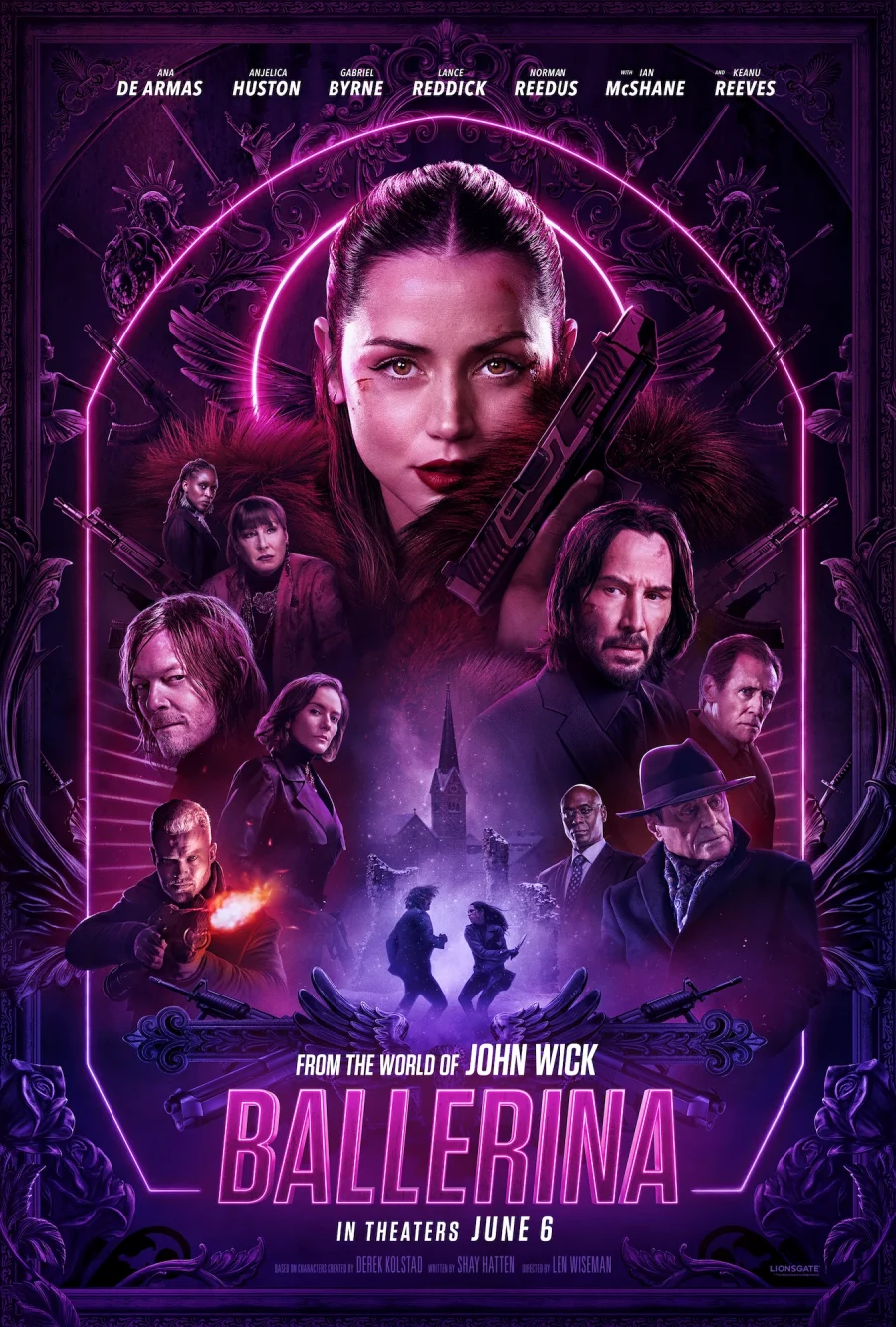
Ana de Armas, Keanu Reeves
From the world of John Wick: Ballerina
Now Playing Only in Theaters


If the current wave of remixes yields one enduring change, let it be this: that creators and communities learn to design ecosystems where both original vision and communal remixing are not enemies, but collaborators.
Polarized responses are understandable The developer who uncopylocks a hit has every right to expect criticism. Many creators rely on exclusivity to monetize hours of labor, and uncopylocking can look like giving away the goose that lays the golden eggs. Fans, too, worry about fragmentation: will derivative versions dilute a game’s identity, introduce low-quality clones, or carry malware or scams via misleading versions? Zombie Attack Uncopylocked
On the other hand, defenders of openness point to benefits that go beyond warm fuzzy ideals. Uncopylocking empowers learning: new creators can inspect code, borrow systems, and iterate. It accelerates experimentation: modders try alternate enemy AI, map designs, or balance tweaks, producing ideas the original team might never have considered. It fosters resilience: when a single server, studio, or update fails, community forks keep the core gameplay alive. If the current wave of remixes yields one
Innovation often comes from sharing Look at any creative medium — music sampling, open-source software, or fan fiction — and you’ll find that borrowing is a primary engine of progress. When creators can see how something is made, they internalize techniques, remix systems, and build new genres. An uncopylocked Zombie Attack becomes a sandbox not just for players, but for builders: someone discovers a better wave-spawning algorithm; another ports the game to a cozier art style; a third turns it into an educational map for teaching basic scripting. hijack currency systems
There’s a strange kind of vitality in the Roblox ecosystem: creators hunched over keyboards at 2 a.m., communities rallying around a single viral mode, and whole social economies built on shared imagination. So when a popular game goes “uncopylocked” — switching from a closed, monetized product to an open, freely editable model — reactions are swift and sharp. The recent turn of Zombie Attack Uncopylocked has sparked the predictable mix of outrage, exhilaration, and confusion. But beneath the headlines and hot takes lies a deeper conversation about ownership, community, and what healthy creative platforms should encourage.
This isn’t charity, it’s exposure A common misconception is that openness means abandoning success. Yet many creators who allow for copying reap indirect rewards: larger communities, increased upstream traffic, fan-made content that promotes the original, and collaborative relationships with talented contributors who might later become hires or partners. In short, uncopylocking can be a smart marketing and talent-scouting move.
Still, not all copying is benign — and platform responsibility matters Open doesn’t mean unregulated. Platforms must ensure clear licensing, attribution systems, and tools to prevent malicious forks that steal assets, hijack currency systems, or scam players. There’s also an ethical onus on creators and community leaders to steward derivatives responsibly: respect original intentions, credit where due, and avoid monetizing others’ work without consent.