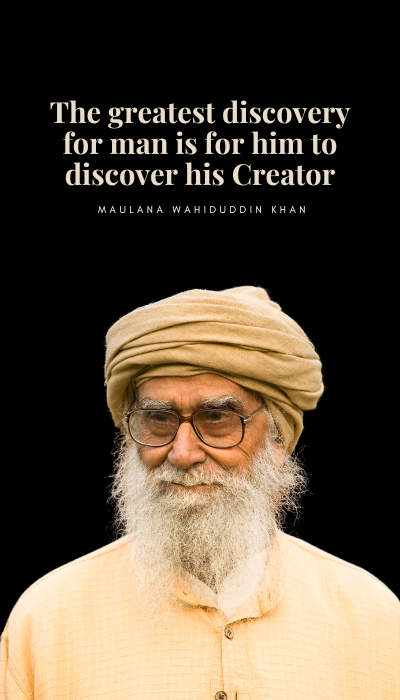
The Creator of man has created him as per a particular plan, according to which man must spend a period of trial in this present, imperfect world, and after this, according to his deeds, he will earn the right to inhabit the perfect and eternal world, another name for which is Paradise.
Learn more
Mizo Kristian Hla Hmasa Ber Better Apr 2026
To some it felt like gentle pressure. The exhortation to be better drew from a powerful cultural seam: the Mizo way prized collective dignity. Faith and identity braided tightly, so a higher standard of conduct reinforced both the church’s calling and the village’s standing. Pride in shared moral rigor motivated civic improvements — schools, clinics, roadwork — driven as much by spiritual conviction as by civic necessity. The call to “be better” became a pragmatic engine for social uplift.
In practice, the phrase was both compass and labor. It prompted concrete acts: establishing a scholarship fund for promising students, organizing counseling for those battling addiction, lobbying local authorities for better healthcare. It also shaped quieter practices: learning to listen fully, resisting gossip, honoring elders while creating space for young voices. Each act of improvement reinforced the conviction that faith should bear fruit in ordinary life. mizo kristian hla hmasa ber better
The phrase landed lightly in conversation but heavy as an oak when lived. It meant more than private piety; it demanded attention to how one treated others, how one kept promises, and how one met hardship. Being “better” here was not an abstract perfection but a practical shape: feeding the hungry, sharing the harvest, teaching children to read and love scripture, standing up when injustice walked past disguised as custom. It was accountability woven into habit — weekly offerings that sustained the widows, communal labor to repair roofs before monsoon, and quiet apologies that healed feuds that had lasted generations. To some it felt like gentle pressure
Across generations the meaning shifted subtly. For elders, it recalled mission-era transformations: literacy campaigns, conversion experiences, and the forging of a distinct Christian Mizo public life. For youth, “be better” often meant navigating modern pressures: education, migration to cities, digital flows of culture. Their version fused fidelity with innovation — being better by staying rooted while reaching outward, by adapting tradition to new moral challenges rather than retreating into nostalgia. Pride in shared moral rigor motivated civic improvements
They woke before dawn, the village still thick with the blue hush of morning. On the ridge above the Tlawng River the church bell, hand-struck, marked time not as an obligation but as an invitation — a steady pulse calling people to gather, to remember, to become better together. In that small, weathered building the words Mizo Kristian hla hmasa ber — “Mizo Christian, be better” — were more than a slogan; they were a daily ethic, a song that threaded faith to life, doctrine to neighbor.
The phrase also invited introspection. Leaders who spoke of hla hmasa ber were watched for humility as much as for exhortation. The most resonant voices were those who did not merely instruct but modeled the work of improvement — leaders who swept church floors at dusk, who sat with grieving families, who confessed mistakes and invited correction. Authenticity made the call believable; it transformed “be better” from command into covenant.