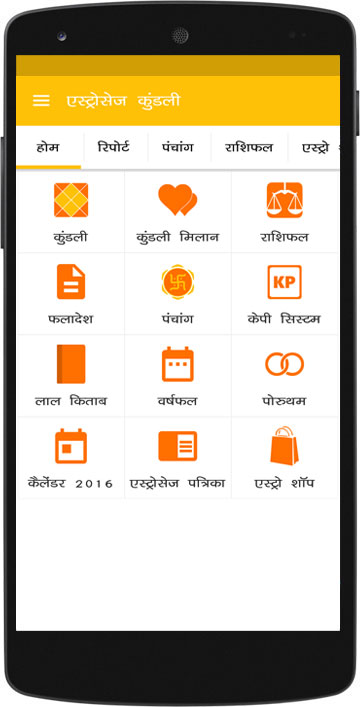
एस्ट्रोसेज कुंडली एंड्रॉयड ऍप



// Access environment variables log.Println("Local environment variable:", os.Getenv("LOCAL_VAR")) } In this example, the godotenv.Load function loads environment variables from both .env and .env.go.local files. If there are any duplicate variables, the values from .env.go.local will override those in .env .
DB_HOST=localhost DB_PORT=5432 DB_USER=myuser DB_PASSWORD=mypassword However, on your local machine, you want to use a different database instance with different credentials. You can create a .env.go.local file with the following contents: .env.go.local
By adopting this approach, you can focus on building and testing your Go applications without worrying about environment variable management. Happy coding! // Access environment variables log